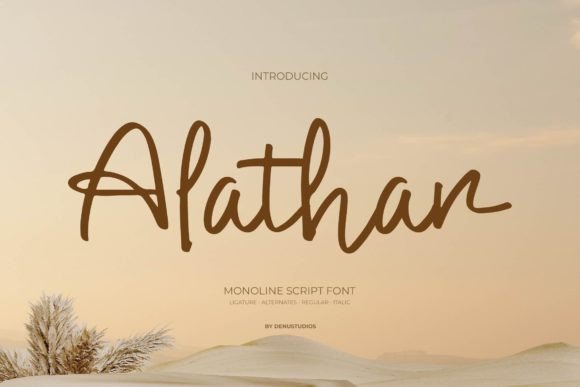
Alathar Font: Elevating Handmade Labels and Invitations
The cursor blinked on my screen, waiting for the perfect typeface to anchor a new line of soy candles. I had already tested three different script fonts, but none quite captured the warm, botanical essence of lavender and wild honey. That is when I loaded Alathar into my design software. As the letters rendered, the entire mood of the label shifted from generic to bespoke. The flowing strokes didn't just spell out "Wild Honey Lavender"; they whispered it. For makers and creative sellers, finding a font that bridges the gap between digital design and tangible product is a constant pursuit. Alathar has become that essential tool in my studio, transforming simple text into an experience of elegance and sophistication.
Bringing Romance to Product Packaging and Labels
When designing physical products, typography is often the first point of emotional connection a customer has with your brand. In my own candle making process, the label needs to convey scent notes before the jar is ever opened. Alathar excels here because its visual personality suggests refinement without feeling stuffy. The intricate details of the letterforms add a layer of perceived quality that elevates handmade goods above mass-produced alternatives. When I applied this typeface to matte vinyl labels, the contrast between the smooth, modern script and the textured paper created a premium tactile experience.
This font is particularly effective for boutique packaging where space is limited but impact is necessary. Whether you are designing tags for knitwear, stickers for artisanal jams, or boxes for luxury soaps, Alathar provides a focal point that draws the eye. It works beautifully for short phrases, product names, and signature lines. However, because of its decorative nature, I reserve it strictly for display use. Pairing it with a clean, minimalist sans serif font for ingredients or safety warnings ensures the packaging remains compliant and readable while maintaining that high-end aesthetic. The key is balance; let Alathar be the jewelry, not the entire outfit.
Crafting Wedding Stationery with Flowing Elegance
Beyond product labels, Alathar shines brightest in the realm of wedding stationery and formal invitations. Recently, while preparing mockups for a spring bridal collection, I needed a script that felt romantic yet legible. Many ornate fonts sacrifice clarity for decoration, but Alathar maintains excellent character distinction even at smaller sizes. This makes it ideal for names on place cards, table numbers, and welcome signs. The natural rhythm of the connecting strokes mimics traditional calligraphy, giving digital designs an authentic, hand-lettered warmth that clients adore.
For printable creators offering wedding templates, this typeface adds significant value to digital downloads. Customers looking for DIY invitation suites want fonts that look professional straight out of the box. Alathar’s sophisticated style allows home printers to achieve results that rival professional print shops. When designing these assets, I often utilize the font’s alternate characters and swashes to customize headers and footers. These extra glyphs prevent repetition and allow each piece of stationery to feel unique. Remember to check the included ligatures and stylistic sets; using them correctly can turn a standard layout into a cohesive editorial design masterpiece.
Technical Considerations for Cutting Machines and Print
As a crafter who frequently uses both Cricut and Silhouette machines, I have learned that not all beautiful fonts are cut-friendly. Alathar generally performs well, but practical testing is always required. When cutting vinyl for mugs, tote bags, or car decals, the intricate connections must be thick enough to withstand weeding. I recommend testing a small sample before committing to a full production run. If the design feels too delicate for adhesive vinyl, consider switching to heat transfer vinyl (HTV) for fabric items like shirts and pillows, as the material tends to hold finer details better during the pressing process.
Readability also changes depending on the substrate. A size that looks perfect on a 5x7 greeting card might disappear on a large farmhouse sign or become illegible on a tiny jewelry tag. Always create physical prototypes. Print your designs at actual size and view them from the intended distance. For digital listings and social media graphics, ensure the font renders clearly in thumbnail previews. Blurry or pixelated script in listing photos can deter buyers, so always export mockups at high resolution. This attention to technical detail separates hobbyist designs from professional commercial products.
Versatility Across Digital Downloads and Seasonal Crafts
One of the most valuable aspects of incorporating Alathar into my workflow is its versatility across seasons and mediums. While it naturally leans toward romance and weddings, its refined structure adapts surprisingly well to other niches. I have used it successfully for Mother’s Day cards, anniversary prints, and even upscale holiday gift tags. The key lies in the supporting design elements. Paired with watercolor florals, it screams spring wedding; paired with gold foil textures and deep greens, it becomes a luxurious Christmas asset.
For sellers of digital planners and journal pages, Alathar serves as an excellent header font. It breaks up the grid-like structure of planner layouts, adding a touch of organic softness to organizational tools. Users appreciate this blend of function and beauty. When creating these digital assets, consistency is vital. Establishing Alathar as your primary display font across a shop’s branding helps build recognition. Customers begin to associate that specific elegant script with your quality and style. This brand identity is crucial for standing out in crowded marketplaces like Etsy or Creative Market.
Licensing and Commercial Use for Makers
Before integrating any new typeface into products for sale, verifying licensing is non-negotiable. Alathar falls under the Script Amp category, which typically includes robust commercial licensing options, but you must confirm the specifics for your intended use. Selling physical end-products like printed cards or labeled candles usually requires a standard commercial license. However, if you plan to sell editable templates where the end-user can manipulate the text, or if you intend to use the font in logo design or trademarked branding, an extended or enterprise license may be necessary.
Always review the license file included with your download. Check for restrictions on multilingual support if you serve international customers, as some scripts do not include extended character sets. Additionally, verify whether the license covers SVG-style designs or if rasterized formats only are permitted. Respecting these terms protects your business and supports the type designers who create these beautiful assets. When used correctly and legally, Alathar is more than just a collection of vector points; it is a foundational element of a sustainable, aesthetically pleasing creative business. From the first digital sketch to the final packaged product, this font brings a level of intentionality that resonates deeply with anyone who values the art of making.